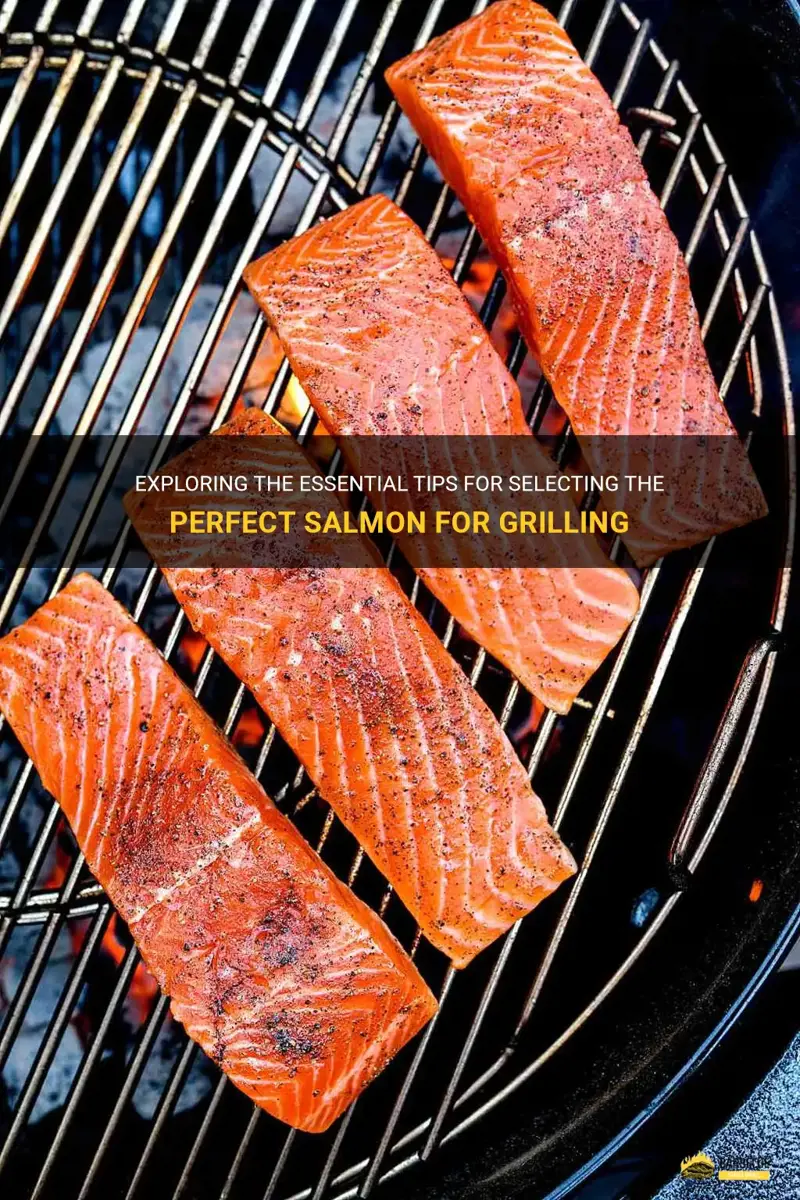
Grilling salmon is a culinary art form that promises a delightful balance of smoky flavor, succulent flesh, and a wonderfully crisp exterior. Yet, for many home cooks, the thought of putting delicate fish on scorching grates can evoke a touch of trepidation. Visions of fish welding itself to the grill, or flaking apart into an unappetizing mess, are common anxieties. But fear not, aspiring grill masters! Achieving perfectly grilled salmon isn't a matter of luck; it’s about making informed choices from the very beginning. This guide will walk you through the essential considerations for selecting the best salmon, understanding its unique characteristics, and preparing it for a flawless grilling experience every time.
Why Salmon is a Grilling Champion (When Treated Right)
At its core, salmon is remarkably well-suited for high-heat cooking like grilling. Its generous fat content is a built-in advantage, acting as a natural safeguard against drying out and infusing the fish with incredible flavor. This inherent richness allows salmon to withstand the intense heat of the grill, provided you understand how to harness that power. The challenge, and often the downfall for many, lies in mishandling this delicate balance. Too much direct heat too quickly can cause the proteins to seize up, leading to a dry, tough texture. Conversely, insufficient heat can result in steamed, rather than seared, skin – a crucial element for that coveted crispy finish.
The secret to unlocking salmon's grilling potential lies in treating your grill like a super-heated cast-iron pan. When hot enough and properly oiled, the grates will sear the salmon skin, creating an impenetrable, crispy barrier. This skin-on approach is paramount: the skin acts as a natural armor, protecting the delicate flesh from the direct flames and helping to hold the fillet together. As it cooks, the skin renders its fat, contributing to both flavor and an irresistible texture. With the right selection and a few straightforward techniques, you’ll confidently transform raw fillets into a golden, flaky, and buttery masterpiece.
Navigating the Market: Choosing the Right Cut and Freshness for Grilled Salmon
Your journey to perfect grilled salmon begins long before the grill is even lit. The quality and type of salmon you choose will significantly impact the final outcome. Making smart selections at the fish counter is the first, most crucial step.
The Ideal Cut: Center-Cut, Skin-On
When perusing the options, prioritize center-cut fillets. These are the thickest, most uniform portions of the salmon loin, ensuring even cooking from edge to edge. Thinner cuts, particularly tail pieces, are prone to overcooking rapidly, leaving you with dry ends while the thicker parts are still cooking. The uniformity of a center-cut fillet gives you a larger window for achieving that ideal medium-rare to medium doneness. And as we've already emphasized, always opt for skin-on fillets. The skin is not just for structural integrity; it’s a flavor and texture powerhouse, developing into a wonderfully crisp layer that many consider the best part of the dish.
Freshness & Quality Indicators
A discerning eye is your best tool at the fish counter. Look for salmon with a vibrant, appealing color – this can range from a bright orange to a deep reddish-orange, depending on the species. The flesh should appear moist and firm to the touch, not dry or mushy. Give it a gentle poke; it should spring back. Avoid fillets that look dull, slimy, or have any strong, "fishy" odor (fresh fish should smell clean, like the ocean). Gaps or separation in the flesh, often called "gaping," are also signs of diminished quality.
Wild vs. Farmed & The Frozen Debate
The choice between wild-caught and farmed salmon is often debated. Wild-caught salmon varieties, such as Sockeye or King (Chinook) salmon, are highly prized for their robust flavor and excellent fat balance, making them superb choices for grilling. Their leaner, firmer flesh often stands up beautifully to the intense heat. Farmed salmon, typically Atlantic salmon, tends to have a higher fat content and a milder flavor, which also performs well on the grill, often yielding a very rich, moist result. Both can be fantastic, but wild-caught generally offers a more distinctive taste profile.
And here’s a tip that might surprise you: don't automatically dismiss high-quality frozen salmon. Often, fish is flash-frozen at its peak freshness right on the boat, preserving its texture and flavor far better than "fresh" fish that might have spent several days sitting on ice at the market. If opting for frozen, ensure you thaw it properly – slowly in the refrigerator overnight – to maintain its integrity.
Elevating Flavor: Seasoning Your Grilled Salmon
Once you’ve selected your perfect salmon fillet, the next step is to imbue it with flavor. The approach you take to seasoning can dramatically alter the taste and even the grilling performance of your fish.
Marinades: Flavor Infusion with Caution
Marinades offer a fantastic way to infuse your salmon with deep, complex flavors. They typically contain an acid (like lemon juice or vinegar), oil, and various herbs and spices. While marinades can contribute to juiciness and tenderization, they come with a caveat for grilling. Sugary or oily marinades can cause flare-ups on the grill, potentially charring your fish and creating an uneven cook. If you choose to marinate, keep the time relatively short – 20 to 30 minutes is usually sufficient for delicate fish like salmon. Crucially, always pat your salmon fillets thoroughly dry after marinating and before grilling. Excess liquid will steam the fish rather than searing it, preventing that coveted crispy skin.
Dry Rubs: Celebrating Salmon's Natural Taste
For many grillers, particularly beginners, a dry rub is the foolproof path to delicious grilled salmon. Dry seasonings allow the salmon's natural, rich flavor to shine through, while also helping to form a beautiful, crisp crust. A simple yet incredibly effective dry rub often includes:
- Salt: Essential for seasoning and drawing out moisture from the skin to aid crisping.
- Black Pepper: Adds a foundational hint of spice.
- Garlic Powder: Provides an aromatic base without burning like fresh garlic.
- Lemon Zest: Brightens and enhances the fish's natural flavors.
Beyond these basics, feel free to experiment. Smoked paprika can add depth and a lovely reddish hue. A touch of brown sugar can create a subtle, caramelized glaze. Dill, a classic pairing with salmon, also works wonderfully in a dry rub. The beauty of a dry rub is its simplicity and control, allowing you to build layers of flavor without the mess or potential grilling mishaps of a wet marinade.
The Role of Oil for Grilling Success
Regardless of whether you use a marinade or a dry rub, oil is your best friend when grilling salmon. A generous coat of olive oil (or another high smoke point oil like avocado oil) on both sides of the fillet serves two critical purposes: it helps the seasoning adhere to the fish, and most importantly, it acts as a non-stick barrier. However, applying oil to the fish isn't enough. Ensuring your grill grates are clean and properly oiled before adding the salmon is equally vital for preventing sticking and achieving that perfect sear.
Beyond the Basics: Preparing Your Salmon for the Grill
With your ideal salmon chosen and seasoned, a few final preparation steps can make all the difference between a good grilled fish and an extraordinary one.
- Pat it Dry: This cannot be stressed enough. Use paper towels to pat both sides of your salmon fillet completely dry. Moisture is the enemy of crispiness and searing. A dry surface allows the skin to crisp up beautifully and encourages a perfect crust.
- Oil Generously: Lightly brush your salmon fillets with olive oil or another high-smoke-point oil, even if you’re using a marinade or a dry rub that already contains some oil. This adds another layer of protection against sticking.
- Bring to Room Temperature: For more even cooking, especially with thicker fillets, remove the salmon from the refrigerator about 15-20 minutes before you plan to grill. This takes the chill off, allowing the fish to cook more uniformly from the outside in.
These simple yet effective steps, combined with the right choice of salmon and seasoning, lay the foundation for a successful grilling experience. For more in-depth techniques on how to master the actual grilling process, including critical tips for achieving that perfect crispy skin and juicy interior, dive into our related articles.
Choosing the best salmon for grilling is a critical first step towards a truly exceptional meal. By understanding the importance of center-cut, skin-on fillets, knowing how to spot quality and freshness, and mastering the art of thoughtful seasoning, you're setting yourself up for success. Forget the fear of sticking and overcooking; arm yourself with knowledge, and transform your next backyard BBQ into a showcase of perfectly cooked, succulent grilled salmon that delights every palate.
