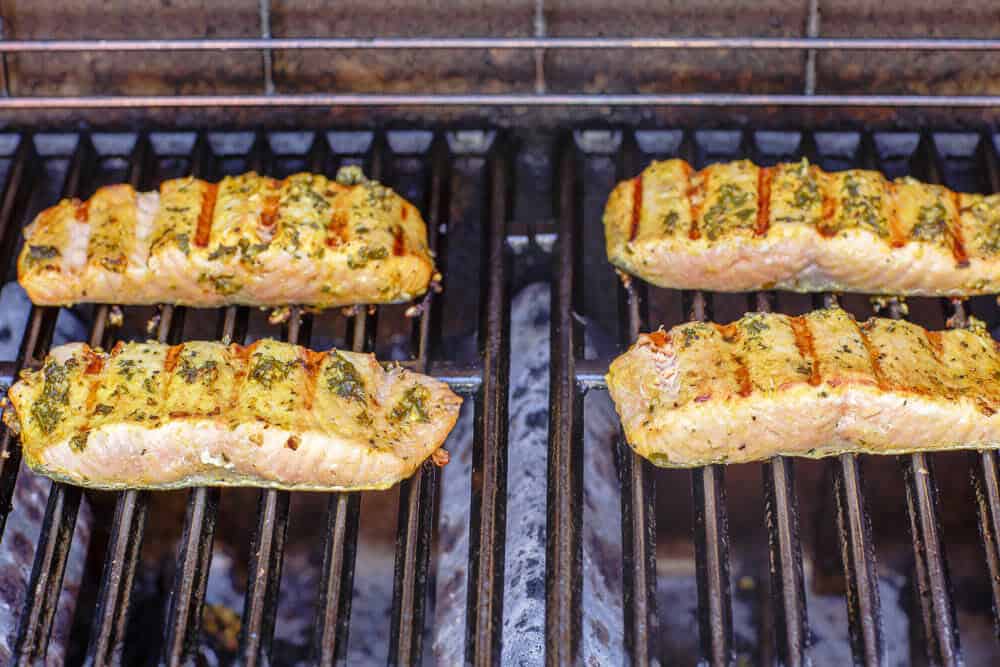
Grilling salmon can often feel like a culinary tightrope walk. One moment, you’re envisioning a perfectly golden, crispy-skinned fillet; the next, you’re scraping half your precious fish off the grates, left with a frustrating, flaky mess. Many of us have been there, experiencing the heartbreak of a beautiful piece of salmon sacrificing itself to the grill. But here's the secret: achieving flawlessly grilled salmon with a delightfully crisp skin and tender, juicy interior isn't a matter of luck or advanced culinary degrees. It's about understanding the fundamental science of heat, fat, and fish, and applying a few simple, yet critical, techniques. Prepare to transform your grilling game from "please don't stick" panic to confident grill master, creating show-stopping grilled salmon every single time.
The Science of No-Stick Grilled Salmon: High Heat & Skin-On
At its heart, the magic of perfect grilled salmon lies in a simple yet powerful principle: high heat, minimal fuss, and skin-on fillets. Salmon is inherently rich in healthy fats, which is a fantastic advantage for grilling. This fat is key to keeping the fish moist and flavorful, but it needs to be managed correctly to avoid sticking and achieve that coveted crispy skin. Too little heat, and the skin steams rather than crisps, becoming flabby and prone to sticking. Too much heat applied incorrectly, and the delicate flesh can seize up or dry out.
The solution? Treat your grill like a super-heated cast iron pan. A properly preheated grill, running at a high temperature (typically 450-500°F or 230-260°C), creates an instant sear. This rapid initial exposure to intense heat quickly forms a crust on the skin, preventing it from bonding with the grates. The skin itself acts as a natural armor, protecting the delicate flesh from direct, harsh heat and locking in moisture. As it sears, the skin renders its fat, essentially "frying" itself to a golden, irresistible crispness. By starting skin-side down and resisting the urge to flip too early, you allow this crucial searing process to happen undisturbed, leading to easy release and that foundational crispy outside with a buttery-tender inside.
Why Skin-On is Your Best Friend for Grilling
- Protection: The skin insulates the delicate flesh, shielding it from the intense direct heat of the grill and preventing it from drying out.
- No-Stick Insurance: A well-seared, fat-rich skin is far less likely to stick to the grates than exposed, lean flesh.
- Flavor and Texture: When rendered properly, salmon skin becomes unbelievably crisp, adding a delightful textural contrast and depth of flavor that many consider the best part of the fish.
- Structural Integrity: The skin helps keep the fillet together, making it easier to handle and less prone to breaking apart on the grill.
Choosing the Perfect Fillet: The Foundation of Great Grilled Salmon
Just as a sturdy house needs a strong foundation, exceptional grilled salmon begins with the right cut. Not all salmon fillets are created equal, and making an informed choice at the fish counter significantly impacts your final result. For a deep dive into selecting the best fish, check out our guide on Choosing the Best Salmon for Grilling: Cuts, Freshness, & Seasoning.
Cut and Thickness Matters
Opt for center-cut fillets. These are typically thicker and more uniform in shape, ensuring even cooking. Thinner tail pieces or unevenly cut fillets are notorious for overcooking in thinner sections before the thicker parts are done. Always choose skin-on fillets; as discussed, the skin is your ally in achieving crispy texture and preventing sticking.
Freshness & Quality Indicators
- Color: Look for vibrant color – ranging from bright orange to deep red, depending on the species. Avoid dull or grayish hues.
- Texture: The flesh should be firm and spring back when gently pressed. Steer clear of any mushy or slimy textures.
- Smell: Fresh salmon should smell faintly of the ocean, clean and mild, not overwhelmingly "fishy."
While "fresh" is often touted as superior, high-quality frozen salmon, properly thawed, can often outperform "fresh" fish that has been sitting on ice for several days. If opting for frozen, thaw it slowly in the refrigerator overnight for best results.
Prepping for Perfection: Seasoning and Grill Setup
With your ideal salmon fillet in hand, the next steps are crucial for ensuring a no-stick, flavor-packed experience. This involves both how you season your fish and how you prepare your grilling station.
Marinades vs. Dry Seasoning: A Matter of Preference
The debate between marinades and dry rubs is ongoing, but both can yield delicious results for grilled salmon:
- Marinades: Infuse flavor and can help keep the fish moist. However, sugary or oil-heavy marinades can cause flare-ups or create a sticky residue that promotes sticking. If marinating, keep it brief (20-30 minutes maximum for delicate fish) and always pat the salmon thoroughly dry before grilling to remove excess liquid.
- Dry Seasoning: Allows the salmon's natural flavor to shine and creates a beautiful, crisp crust. A simple mix of coarse sea salt, black pepper, garlic powder, and a hint of smoked paprika or lemon zest is often all you need. For beginners, dry seasoning is often more forgiving and easier to control, providing a clean sear.
Regardless of your chosen method, the absolute most critical step before the fish hits the grates is to Grill Salmon Like a Pro: Crispy Skin, Juicy Inside Every Time – pat the salmon fillets bone dry with paper towels. Excess moisture is the enemy of crispy skin and promotes sticking. Once dry, lightly brush both sides of the fillet, especially the skin, with a high smoke point oil like olive oil, avocado oil, or grapeseed oil.
The Golden Rule of Grill Prep: Clean, Hot, and Oiled
- Clean Grates: This cannot be stressed enough. Any leftover food particles will act as an adhesive. Heat your grill on high for 10-15 minutes, then vigorously scrub the grates clean with a sturdy wire brush.
- High Heat: Aim for a target temperature of 450-500°F (230-260°C). This ensures an immediate, powerful sear.
- Oil the Grates: Once clean and hot, use a folded paper towel dipped in oil and held with tongs to lightly oil the grill grates. Be quick and careful, creating a thin, even layer of oil. This forms an additional non-stick barrier.
Mastering the Grill: The High Heat, No-Flip Method
Now for the main event – cooking your grilled salmon to perfection. This method prioritizes searing the skin and even cooking with minimal intervention.
The Grilling Process:
- Place Skin-Side Down First: Carefully lay your oiled, seasoned salmon fillets, skin-side down, directly over the hottest part of your grill. Close the lid immediately.
- Resist the Urge to Flip (Early): This is perhaps the hardest part for many grillers. Do NOT touch, move, or peek at the salmon for the first 4-6 minutes. Allow that skin to sear undisturbed. You'll often see the color of the flesh changing from translucent to opaque, working its way up the fillet.
- The Gentle Flip: After 4-6 minutes, gently lift a corner of the fillet with a thin, flexible metal spatula. If the skin releases easily and looks beautifully crispy and golden brown, it’s ready to flip. If it sticks, close the lid and give it another minute or two.
- Finish Cooking Flesh-Side Up: Once flipped, cook for another 2-5 minutes, depending on the thickness of your fillet and your desired doneness. The fish should be cooked through to an internal temperature of 145°F (63°C) for medium-well, or slightly less if you prefer it medium-rare. The flesh should be opaque and flake easily with a fork.
- Rest: Transfer the cooked salmon to a plate and let it rest for 5 minutes before serving. This allows the juices to redistribute, ensuring a moist and flavorful result.
For an alternative, if you're concerned about flipping or have very delicate fillets, you can often cook salmon almost entirely skin-side down on high heat, then transfer it to a cooler part of the grill (indirect heat) or finish it under a broiler to cook the top through without flipping.
Elevating Your Grilled Salmon Experience
Once you’ve mastered the basics, you can begin to experiment with various techniques and flavors:
- Wood Planks: Grilling salmon on a pre-soaked cedar or alder plank imparts a wonderful smoky aroma and adds an extra layer of non-stick protection, making it almost impossible to mess up.
- Compound Butters: A dollop of herb, garlic, or lemon compound butter melting over the hot, rested salmon adds instant gourmet appeal.
- Sauces and Salsas: Pair your perfectly grilled salmon with a fresh mango salsa, a vibrant chimichurri, or a creamy dill sauce for an explosion of complementary flavors.
Conclusion: Confident Grilling, Delicious Results
Gone are the days of fear and frustration when grilling salmon. By understanding the critical role of high heat, embracing skin-on fillets, meticulously preparing your grill, and exercising patience, you can consistently achieve the "holy grail" of grilled salmon: a spectacular, no-stick, crispy-skinned exterior giving way to a succulent, flaky interior. With these secrets in your arsenal, you're not just grilling salmon; you're crafting an unforgettable meal, transforming every outdoor cooking session into a triumph. So fire up that grill, choose your perfect fillet, and get ready to impress with your newfound confidence and culinary prowess.
