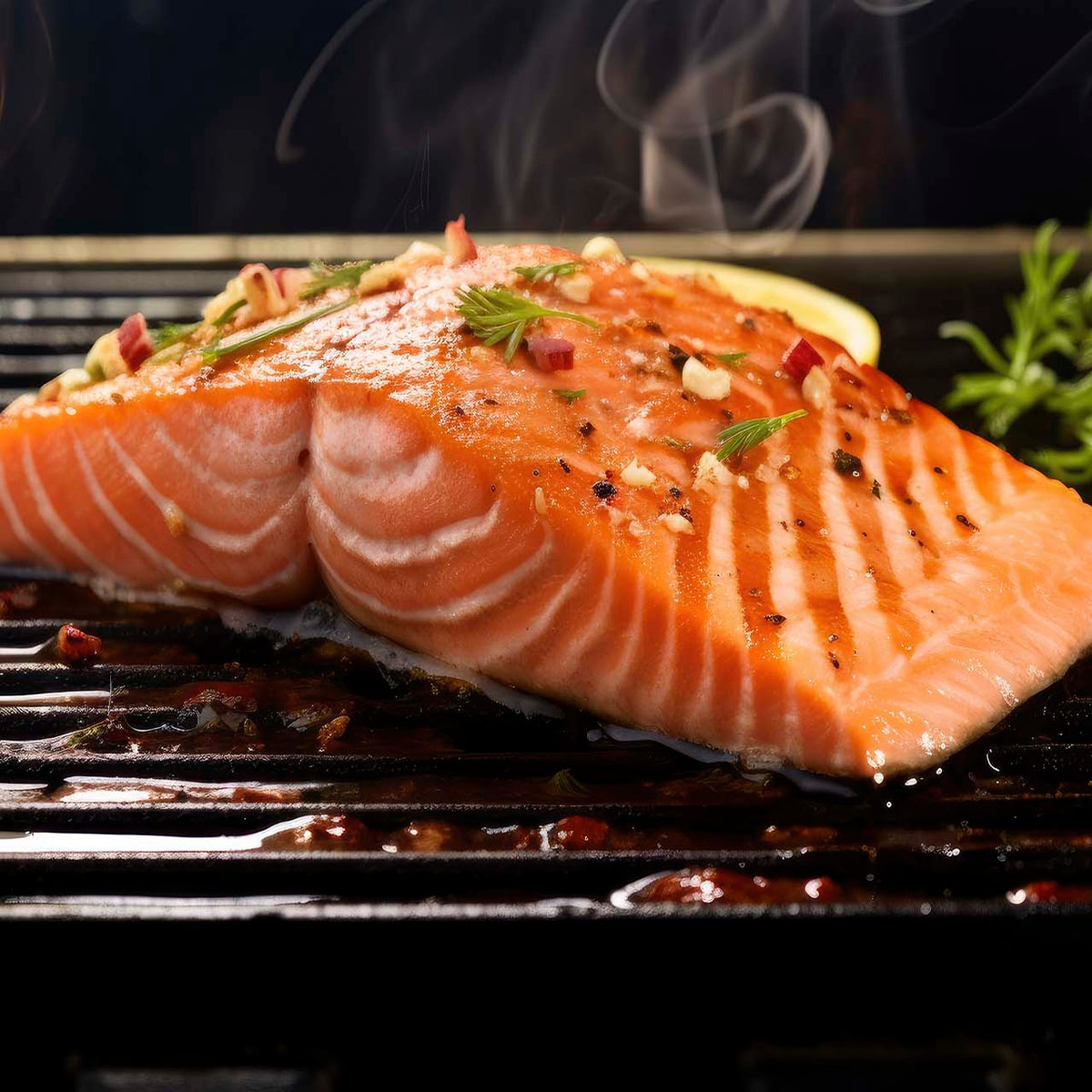
Grill Salmon Like a Pro: Crispy Skin, Juicy Inside Every Time
Salmon on the grill evokes the very essence of summer – the sizzle, the smoky aroma, and the promise of a delicious, healthy meal. Yet, for many home cooks, grilling this magnificent fish can feel like a culinary high-wire act. One false move and you're left with a tragic, flaky mess welded to your grates instead of that coveted crispy skin and succulent, tender interior. Believe us, we've all been there, staring at half a fillet stuck stubbornly to the grill, a modern art piece more than a meal. But here’s the empowering truth: achieving perfectly grilled salmon isn't about luck or innate grilling genius. It's about understanding a few fundamental principles and applying simple, effective techniques. With the right approach, you'll transform from a "please don't stick" worrier into a confident grill master, turning out restaurant-quality salmon every single time.
The Art and Science Behind Perfect Grilled Salmon
At its core, salmon is remarkably well-suited for grilling. Its natural richness in healthy fats makes it inherently forgiving, helping it stay moist under the high heat of the grill. However, this natural advantage only comes into play if handled correctly. The challenge lies in striking the perfect balance: too much heat too quickly, or an improper sear, and those precious fats seize up, leading to a dry, tough texture. Too little heat, and the skin steams instead of crisps, losing all its potential. The secret to success hinges on a trio of principles: high heat, minimal flipping, and skin-on fillets.
Think of your grill grates not just as a cooking surface, but as a super-charged cast iron pan. When properly preheated to a screaming hot temperature and adequately oiled, those grates will sear the salmon skin with aggressive efficiency. This initial searing is crucial. It’s what activates the Maillard reaction, creating that irresistible golden-brown crust and preventing the delicate flesh from sticking. The skin itself isn't just a casing; it acts as a protective shield, insulating the tender meat beneath and allowing it to cook gently while the exterior crisps beautifully. By minimizing flips, you ensure the skin has ample uninterrupted time to develop its glorious texture, rather than being disturbed and torn prematurely. This foundation – crispy outside, tender inside – is the holy grail of grilled salmon.
Selecting Your Star: Choosing the Right Salmon Fillet
The journey to perfectly grilled salmon begins long before you even fire up the grill. The quality and cut of your salmon fillet play an enormous role in the final outcome. Not all salmon is created equal, and making an informed choice at the fish counter sets you up for success.
Center-Cut Fillets: The Griller's Choice
When selecting your salmon, always opt for center-cut fillets. These are thick, uniform pieces taken from the middle of the fish, ensuring even cooking throughout. Thinner tail pieces, while often more budget-friendly, cook much faster and are prone to overcooking and drying out before the thicker parts are done. Their uneven thickness makes them a challenge to grill consistently, especially for beginners.
Skin-On is Non-Negotiable
This is perhaps the most critical choice: always choose skin-on fillets. As we discussed, the skin is your best friend on the grill. It acts as a natural barrier, protecting the delicate flesh from direct, intense heat and preventing it from sticking to the grates. More importantly, when treated right, the skin transforms into a delectable, crispy texture that adds an incredible dimension to your dish. Without the skin, salmon is far more likely to fall apart, stick, and dry out.
Freshness and Quality Indicators
Beyond the cut, pay close attention to the visual cues of quality. Look for a vibrant, rich color – this can range from a bright orange in sockeye to a deep red in king salmon, depending on the species. The flesh should appear moist and firm, not dull, dry, or slimy. Trust your nose: fresh salmon should smell faintly of the ocean, never overtly "fishy."
While wild-caught varieties like sockeye, king (Chinook), or coho salmon often boast superior flavor and a better fat-to-flesh ratio, making them ideal for grilling, don't dismiss farmed salmon entirely. High-quality farmed salmon can be excellent, especially if sustainably raised. And remember, "fresh" doesn't always mean best; often, flash-frozen salmon, properly thawed, can be superior in quality to fresh fish that has been sitting on ice for several days. For an even deeper dive into selecting the perfect fillet, check out our guide on Choosing the Best Salmon for Grilling: Cuts, Freshness, & Seasoning.
Seasoning Your Salmon: Marinades vs. Dry Rubs
Once you have your pristine salmon fillet, it's time to impart flavor. The debate between marinades and dry rubs is a lively one among grillers, but the truth is, both have their merits depending on your desired outcome and grilling comfort level.
The Case for Marinades
Marinades excel at infusing deeper flavor notes into the fish and can contribute to a juicier final product. They often contain acids (like lemon juice or vinegar) that can tenderize the fish slightly, alongside herbs, spices, and oils. If you opt for a marinade, be mindful of its composition. Marinades heavy in sugar or oil can lead to flare-ups on the grill, burning the outside of the fish before the inside is cooked. Keep marination times short – 20 to 30 minutes is usually ample for delicate fish like salmon. Before grilling, it’s crucial to gently pat the salmon completely dry with paper towels to remove any excess liquid, minimizing sticking and potential flare-ups.
The Simplicity and Power of Dry Seasonings
For many, a simple dry seasoning is the preferred route for grilled salmon. This approach allows the salmon's natural, delicate flavors to shine through, complementing rather than overpowering them. A classic blend of coarse salt, freshly ground black pepper, a touch of garlic powder, and a hint of lemon zest creates a clean, crisp crust that develops beautifully on the grill. Dry seasonings are generally more foolproof for beginners, as they eliminate the risk of sugary marinades burning and simplify the pre-grill preparation.
Pre-Grill Prep: Essential Steps
Regardless of your seasoning choice, a few crucial steps before the salmon hits the heat will make all the difference:
- Pat Dry, Thoroughly: This cannot be stressed enough. Excess moisture is the enemy of crispy skin and can cause sticking. Use paper towels to pat both sides of the fillet until absolutely dry.
- Oil the Fish: While you'll oil your grates, lightly brushing the skin side of the salmon with a high-smoke-point oil (like avocado or grapeseed oil) creates an additional non-stick layer and helps promote even browning.
- Season Liberally: Don't be shy with your chosen seasoning. Salt especially helps draw out moisture initially, which aids in forming that beautiful crust.
- Room Temperature Rest (Optional but Recommended): Allowing the salmon to sit out for 15-20 minutes before grilling helps it come closer to room temperature, promoting more even cooking.
Mastering the Grill: High Heat, Low Stick, Perfect Sear
Now for the main event: getting that salmon onto the grill. This is where all your preparation pays off, and a few precise moves guarantee success.
Preheat Like a Pro
The single most important step to prevent sticking and achieve that desirable crispy skin is to preheat your grill to a screaming hot temperature. Aim for 450-500°F (230-260°C). High heat ensures an immediate sear, creating a barrier between the fish and the grates, and kickstarting the crisping process.
Clean and Oil Your Grates
Even with high heat, dirty grates are a recipe for disaster. Always start with clean grates. Once hot, use tongs to rub a paper towel generously soaked in a high-smoke-point oil (like canola or grapeseed) over the grates. This creates a non-stick surface, further ensuring your salmon releases effortlessly. For a deeper dive into preventing sticking and achieving that perfect sear, take a look at our article on Perfect Grilled Salmon: High Heat, Skin-On Secrets for No Stick.
The Golden Rule: Skin-Side Down First, Don't Touch!
Place your salmon fillets, skin-side down, directly over the hottest part of the grill. Now, resist the urge to peek or move them! This is the most critical phase for crisping the skin. Let the salmon cook undisturbed for the majority of the cooking time, typically 6-8 minutes. You’ll observe a visible cook line moving up the side of the fillet. When this line reaches about three-quarters of the way up the fish, and the skin has developed a deep golden-brown, crispy texture, it’s time to consider flipping. Crucially, the fish will naturally release from the grates when it's ready. If it's sticking, it's not ready!
The Gentle Flip and Finish
Using a wide, thin spatula (a fish spatula is ideal), carefully slide it under the skin and gently flip the salmon. Cook flesh-side down for a much shorter duration, usually 2-4 minutes, just until the salmon is cooked through to your desired doneness. For medium-rare to medium, aim for an internal temperature of 135-145°F (57-63°C) measured at the thickest part with an instant-read thermometer. The flesh should be opaque but still flake easily with a fork.
Rest for Success
Once your salmon reaches perfection, remove it from the grill and let it rest on a cutting board or platter for 5-10 minutes, lightly tented with foil. This resting period allows the juices to redistribute throughout the fillet, ensuring every bite is moist and flavorful. Skipping this step can lead to a drier experience, as the juices will simply run out when you cut into it.
Conclusion
Mastering grilled salmon is a truly rewarding endeavor that elevates your outdoor cooking repertoire. By understanding the inherent qualities of salmon, making smart choices at the fish counter, preparing your fillets with care, and embracing the principles of high heat and minimal fuss on the grill, you'll consistently achieve that coveted crispy skin and juicy, tender interior. No more sticky disasters or dry disappointments – just perfectly grilled salmon, every single time. So fire up that grill with confidence, and get ready to enjoy a culinary triumph that will impress friends, family, and most importantly, your own taste buds.
